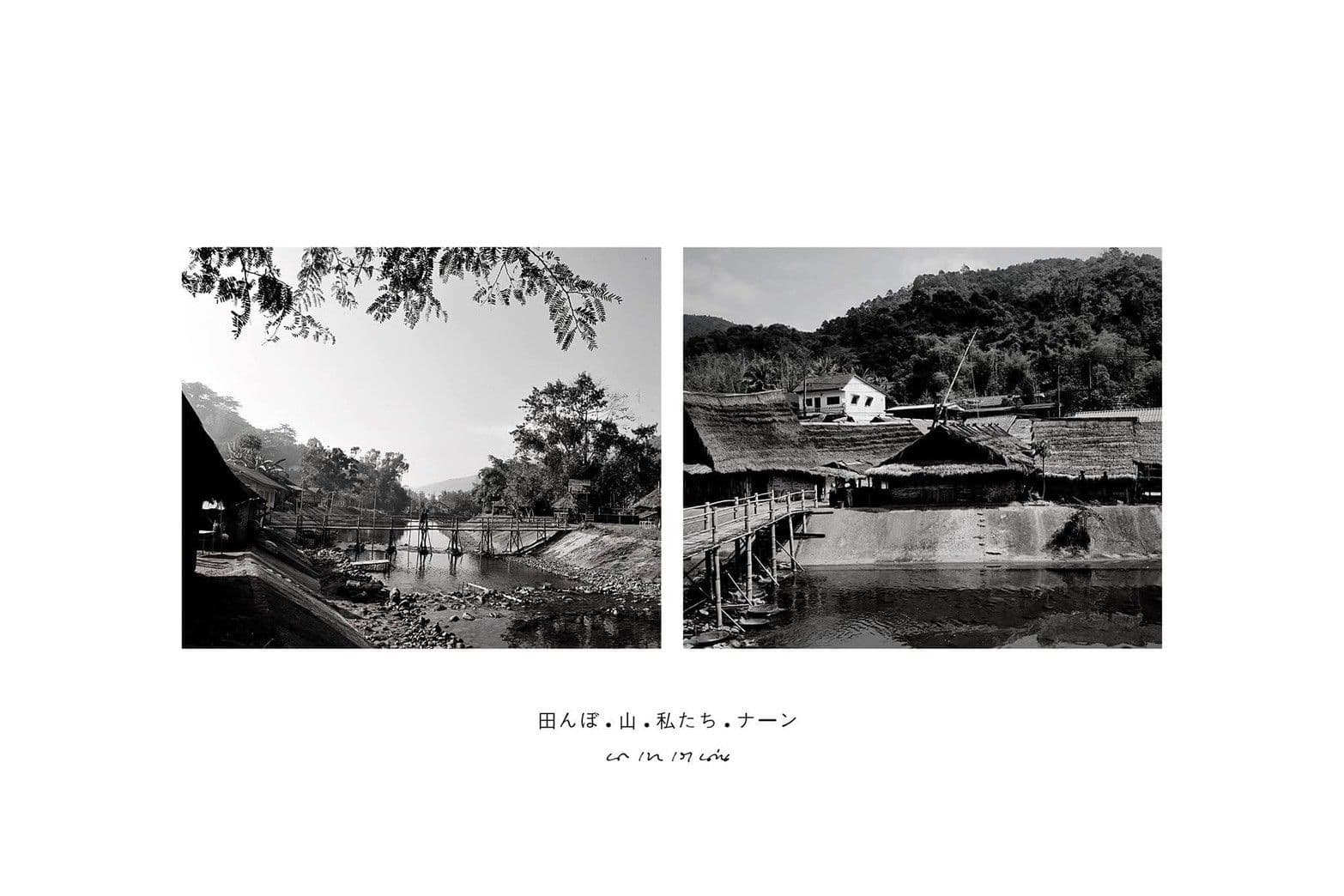
A living heritage site where the Tai Lue community has produced rock salt using traditional methods for over 1,200 years. Watch locals boil brine from ancient underground wells into pure white salt crystals.
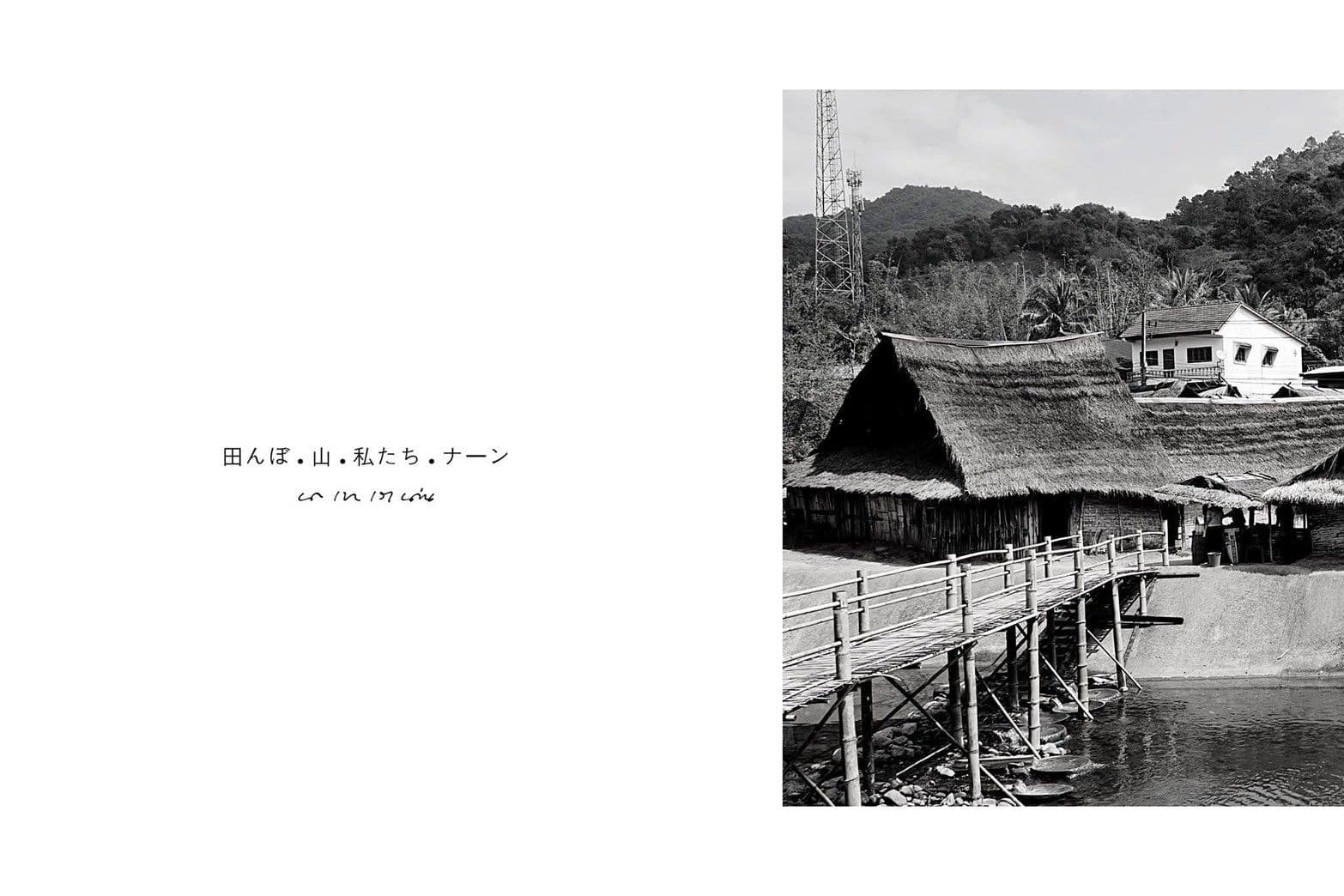
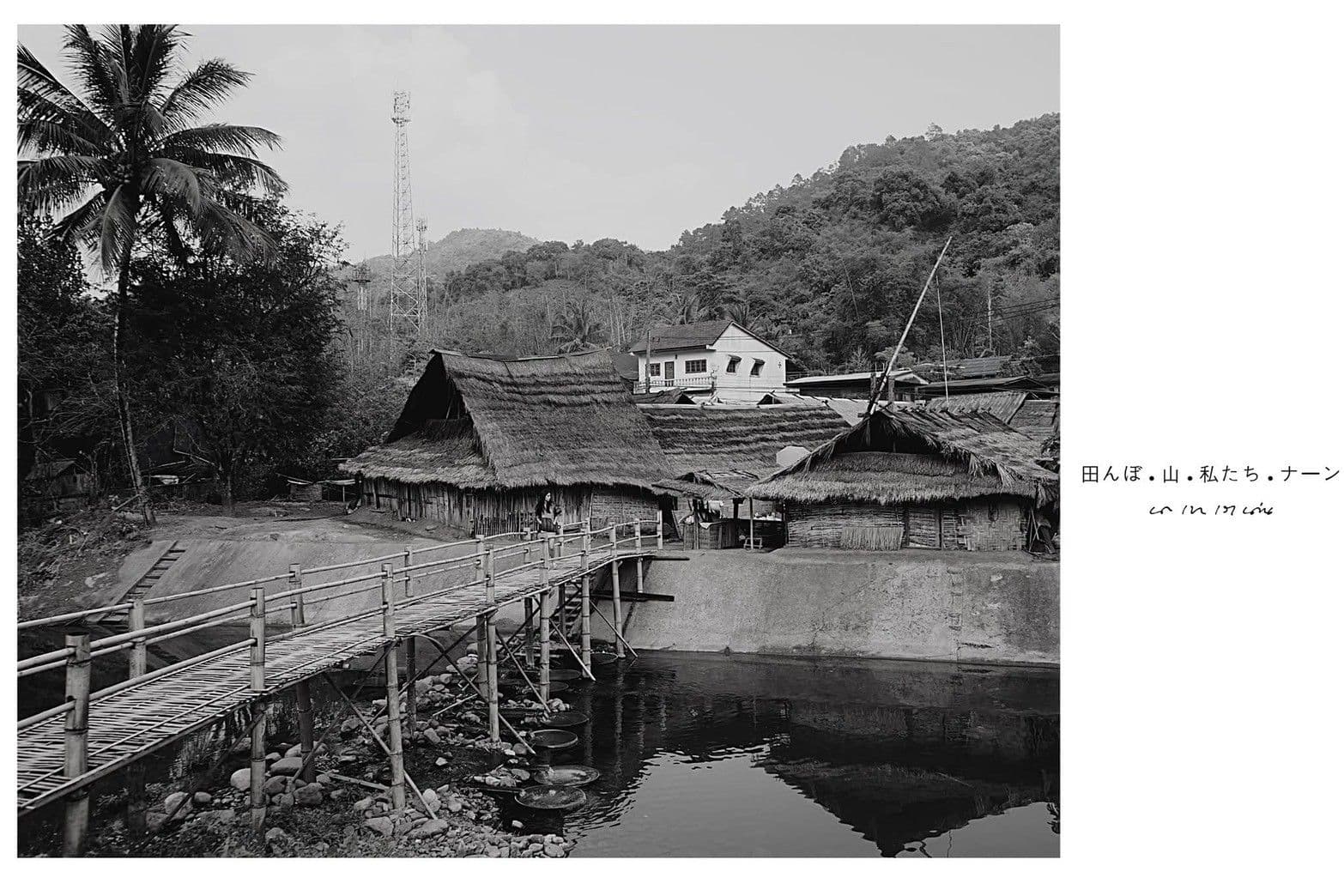
Bo Kluea, meaning 'salt well' in Thai, is home to one of Thailand's most remarkable living cultural traditions. Nestled in a remote mountain valley about 80 kilometers north of Nan city, this ancient Tai Lue village has been producing rock salt for over 1,200 years using methods passed down through generations.
History & Significance
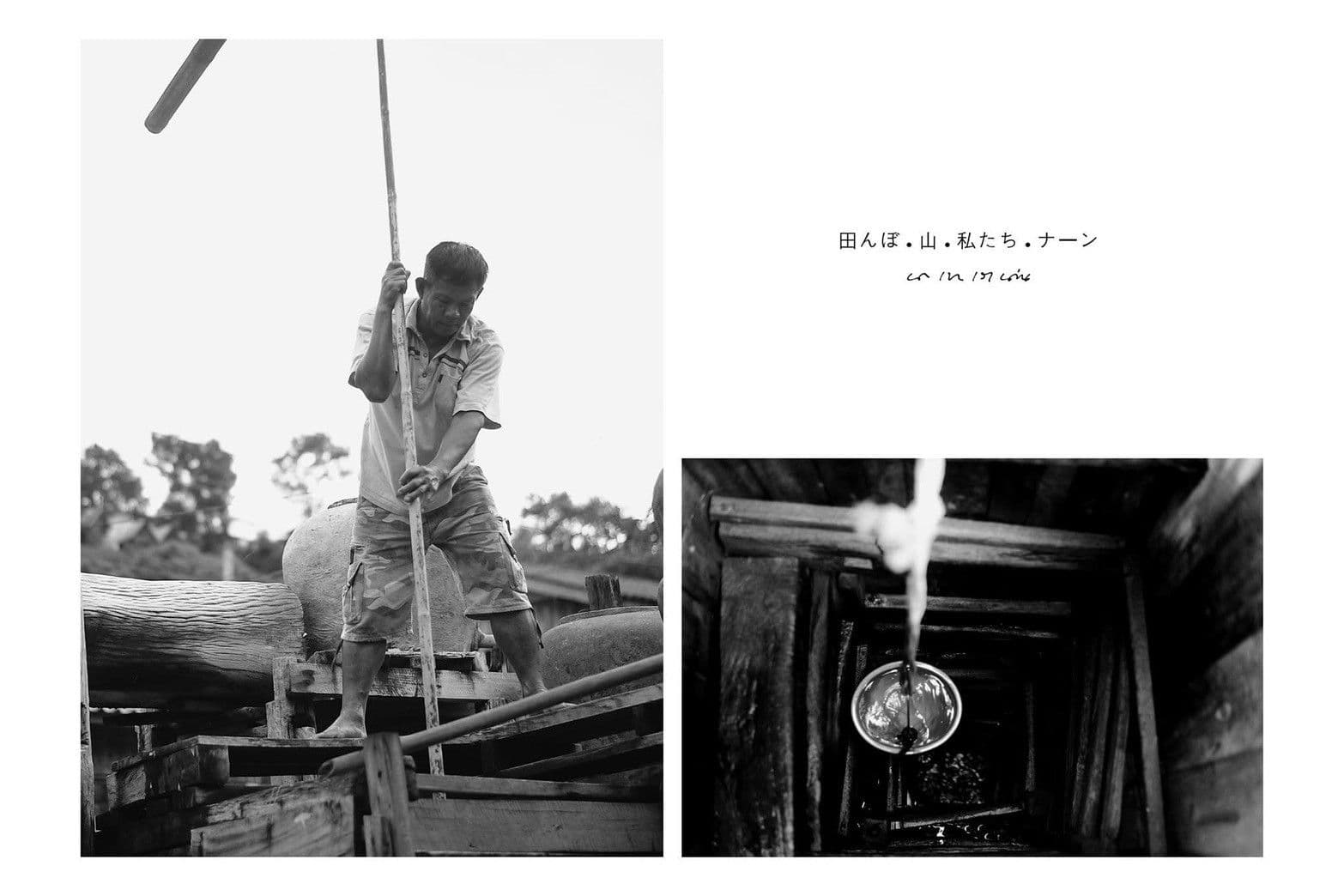
The salt wells were discovered over a millennium ago when locals noticed animals gathering at certain spots to lick the mineral-rich earth. The brine comes from ancient sea deposits deep underground, pushed up through natural geological formations. In the past, Bo Kluea salt was so valuable it served as currency and was traded throughout the Lanna Kingdom and into Laos.
Traditional Salt-Making Process
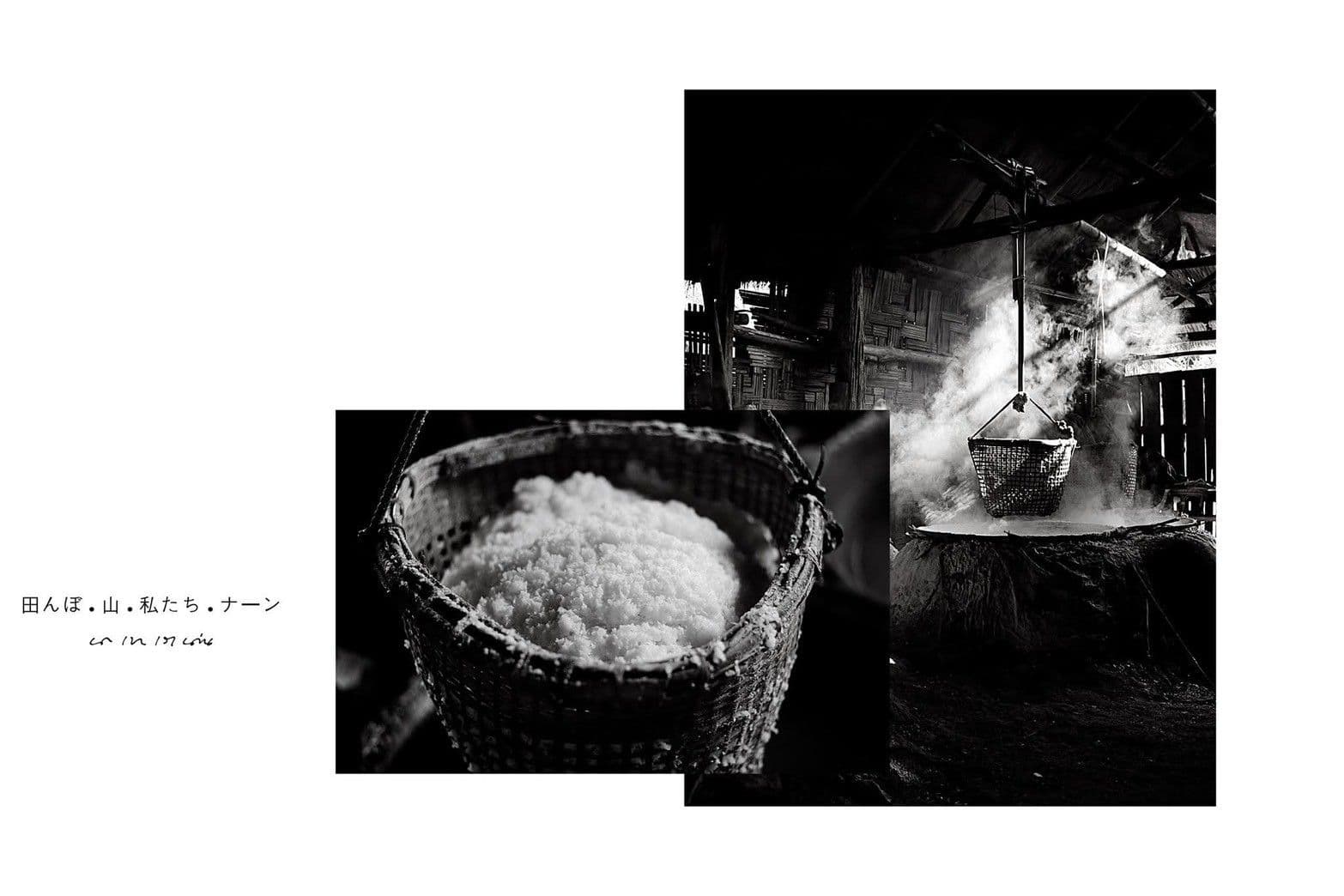
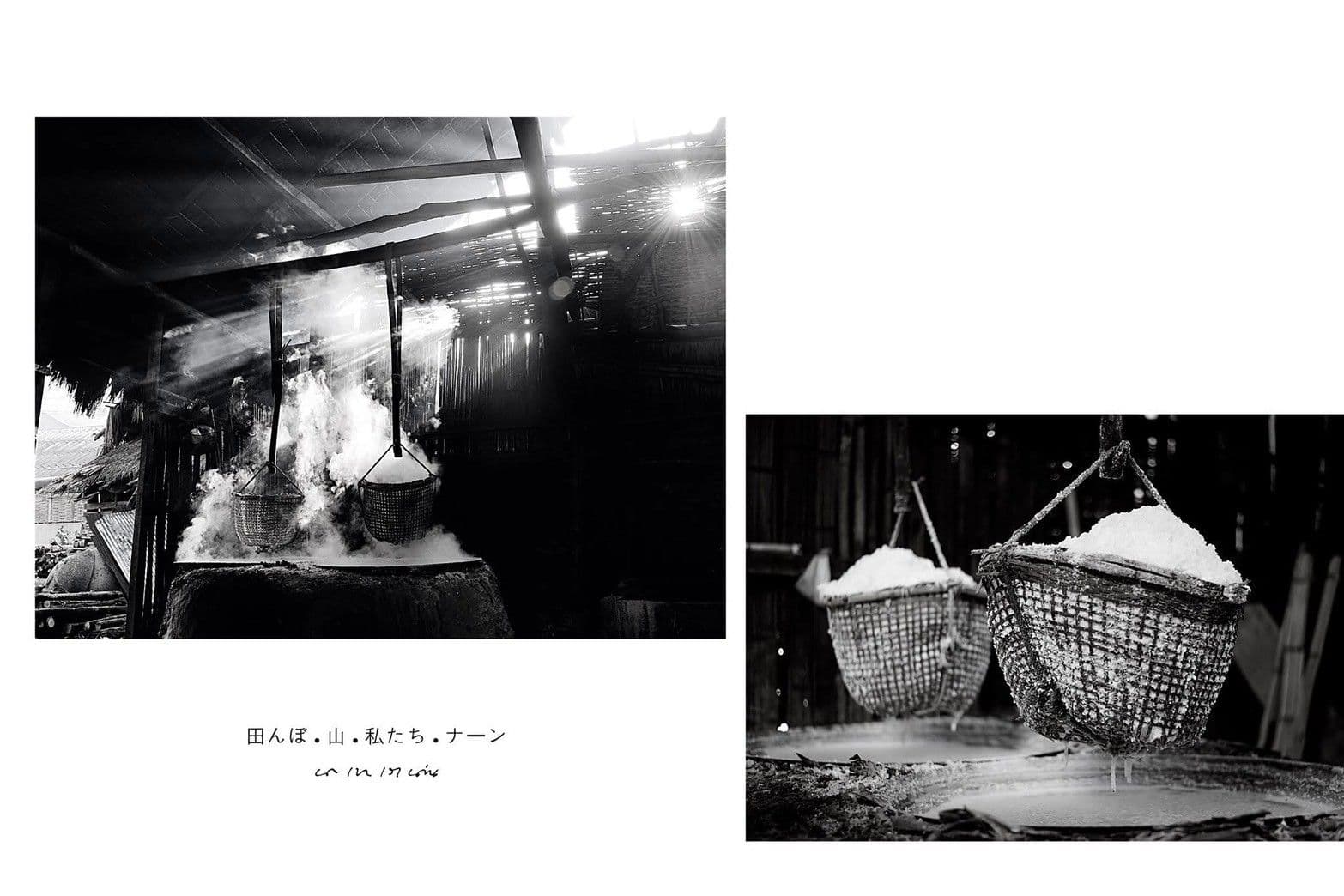
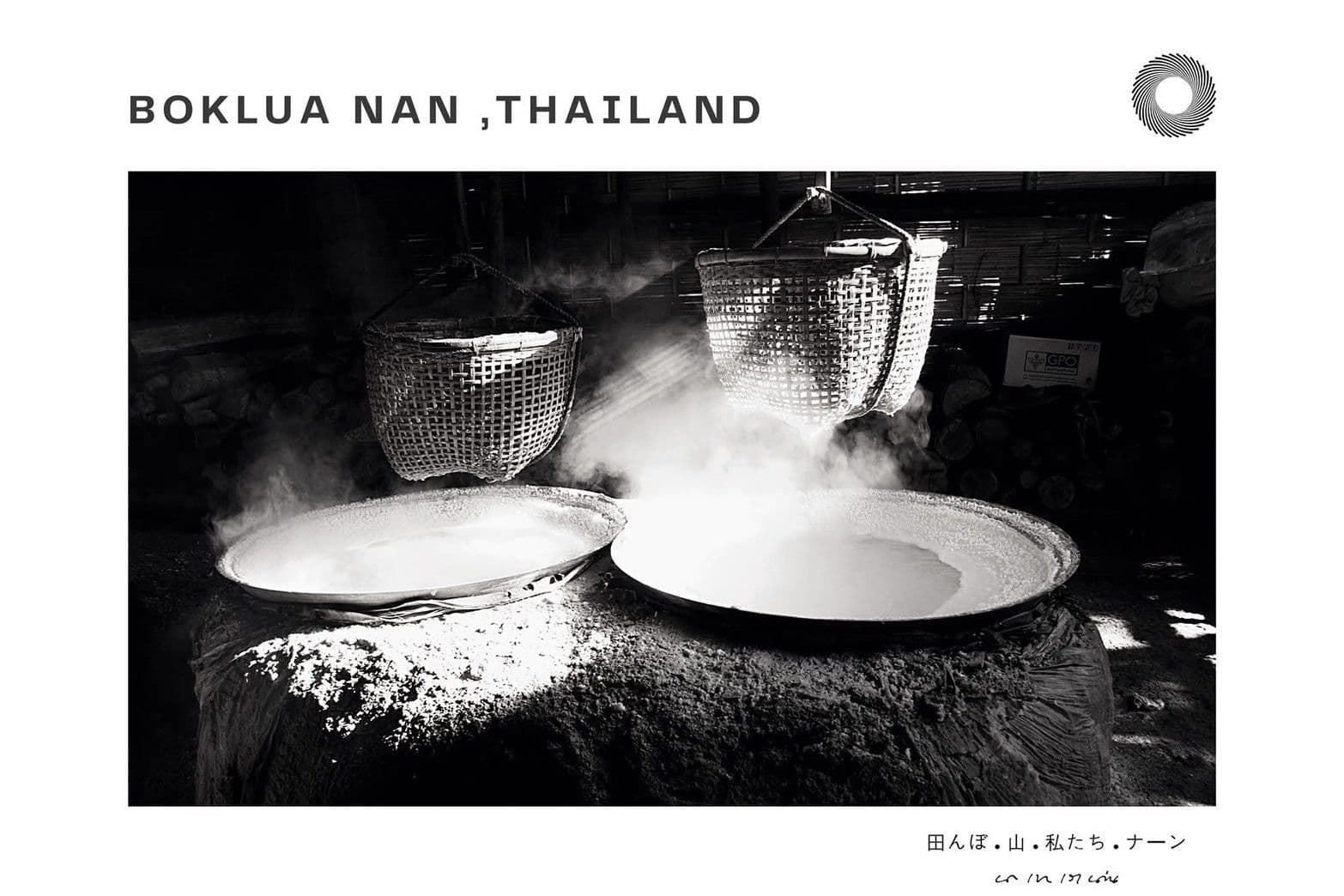
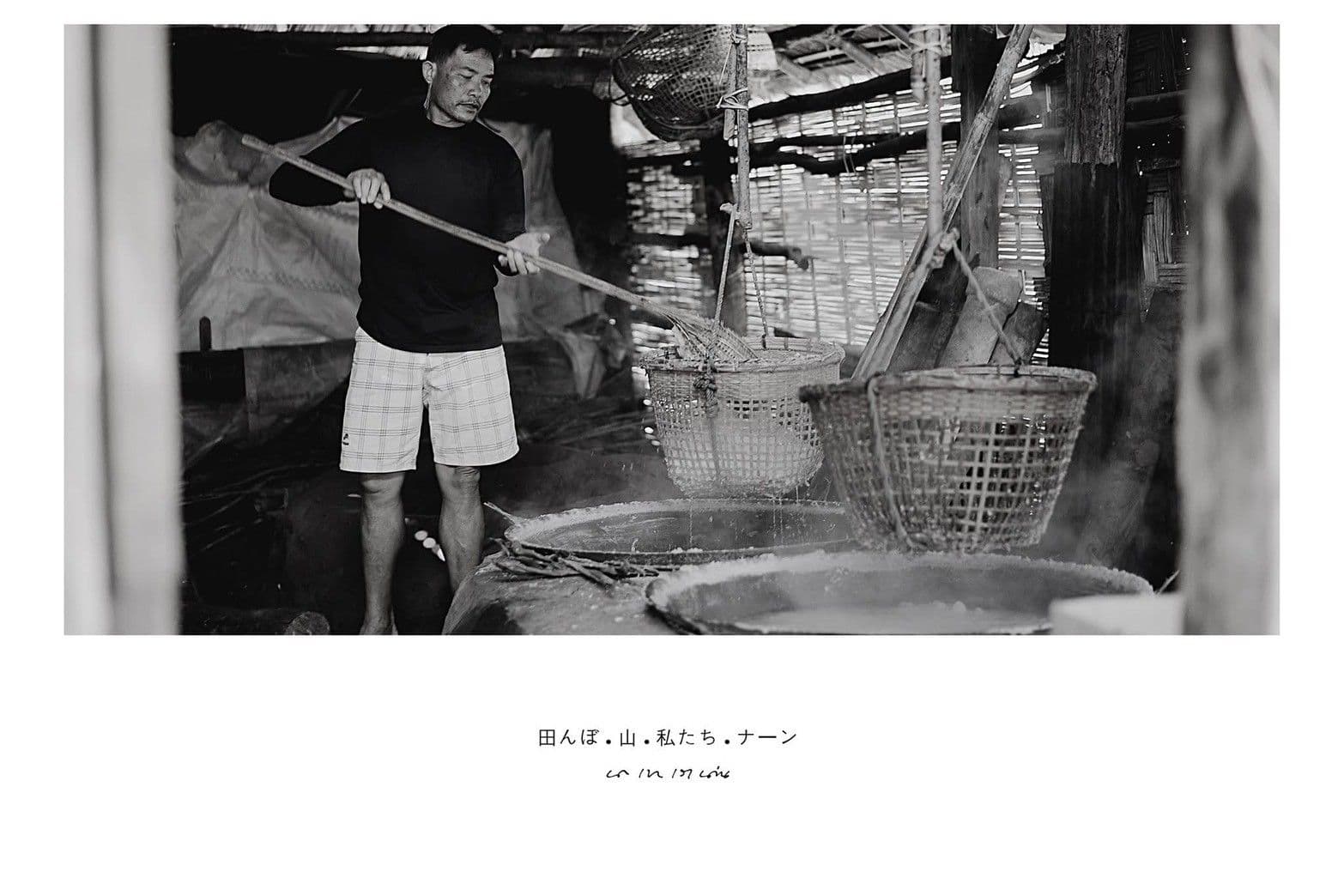
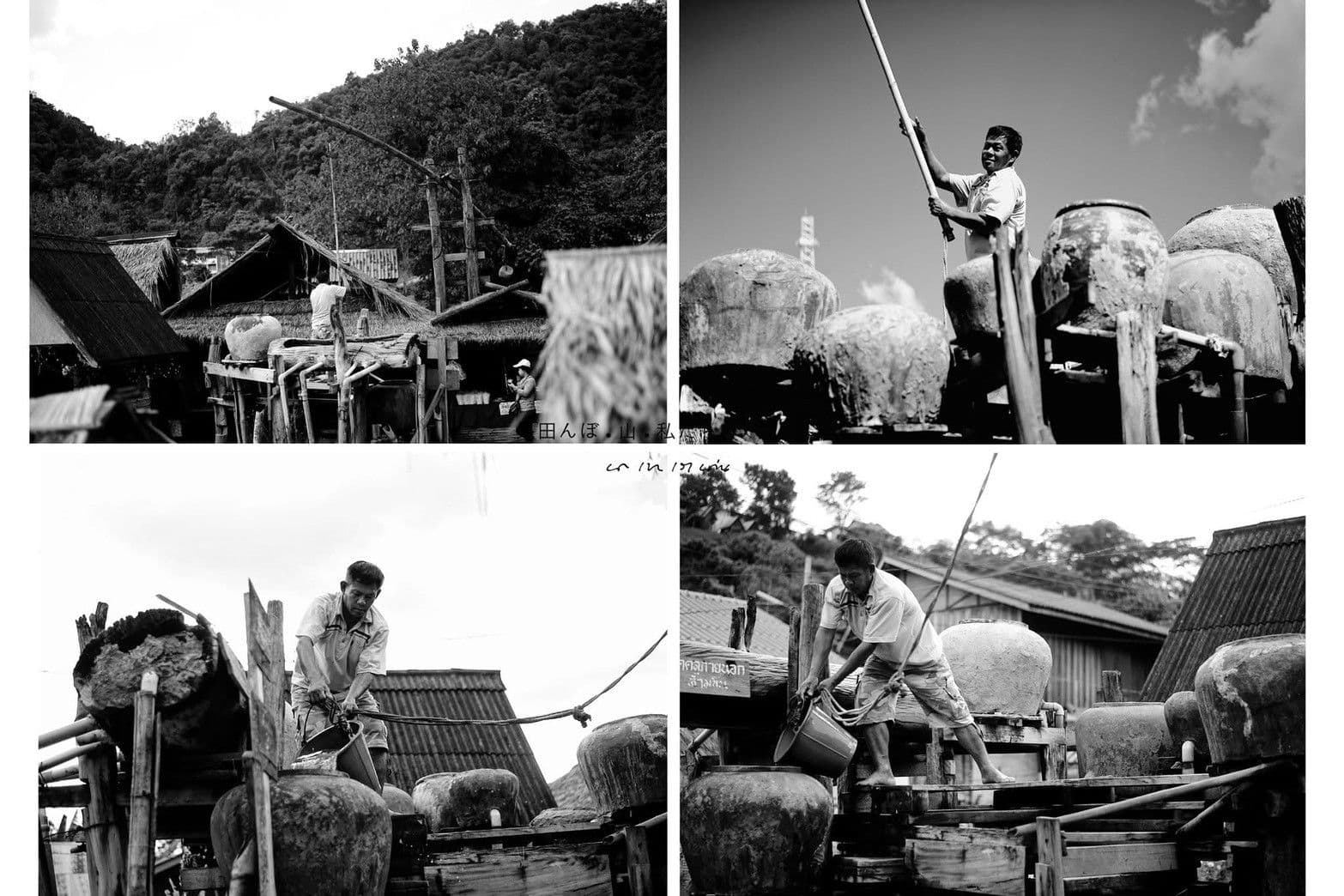
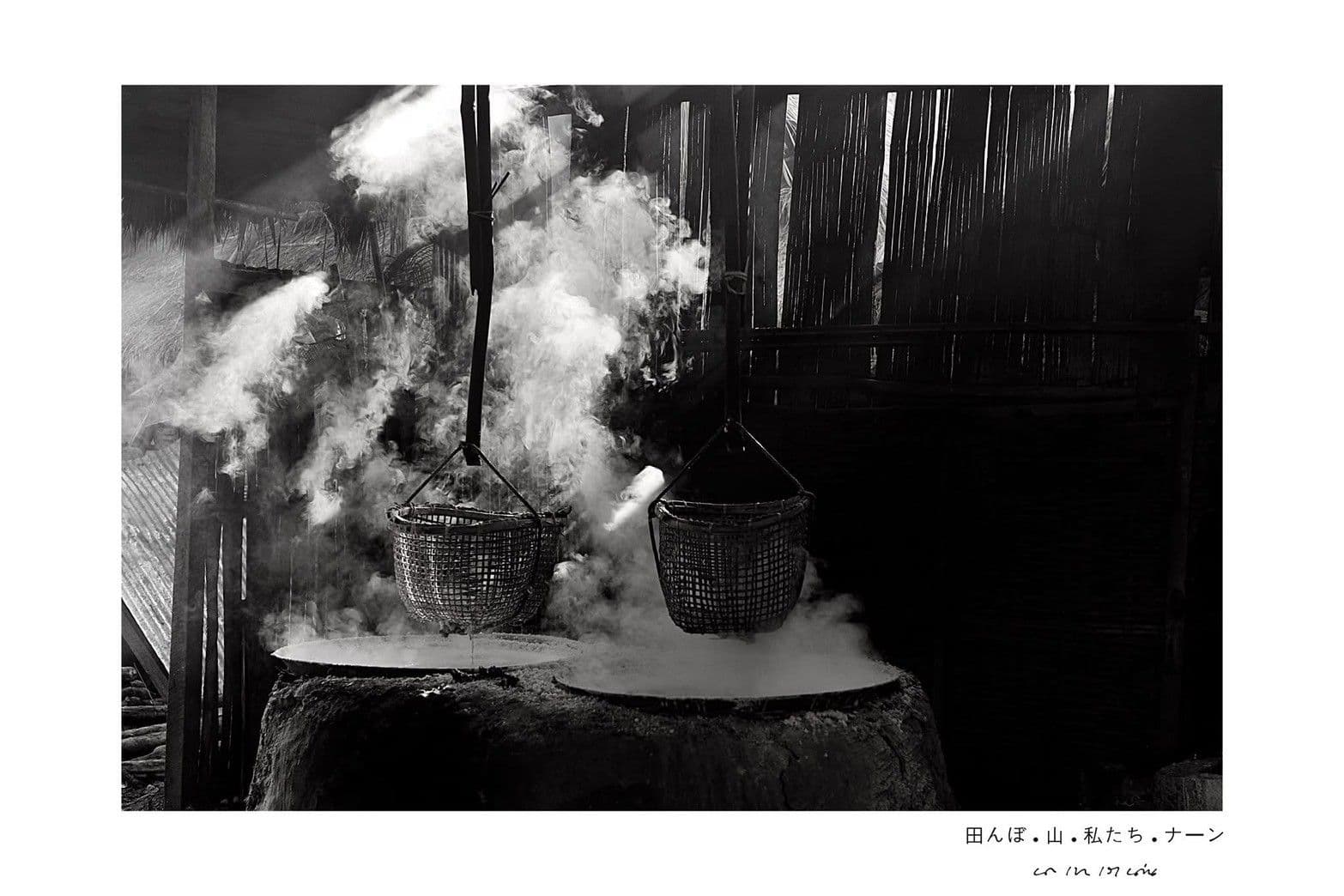
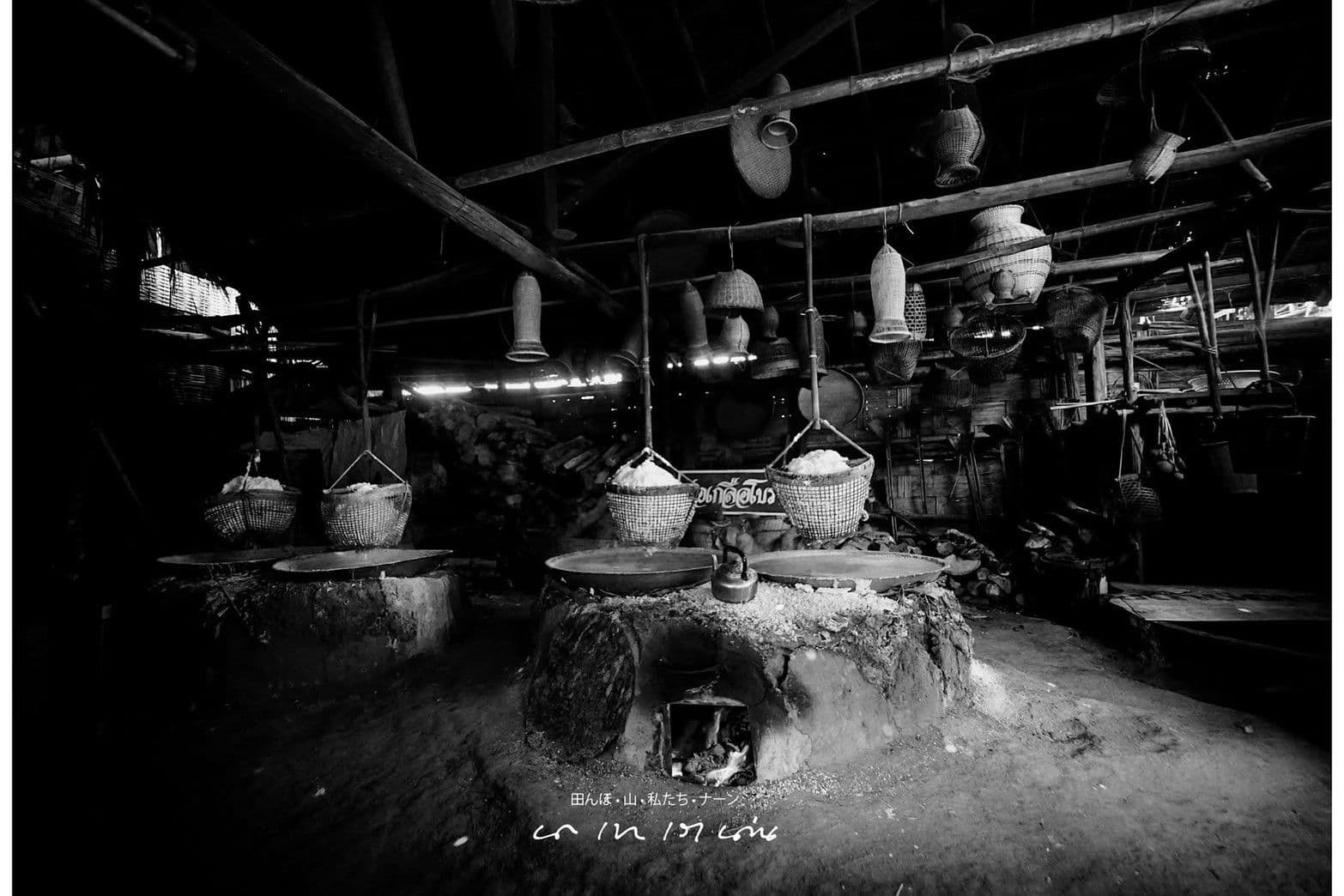
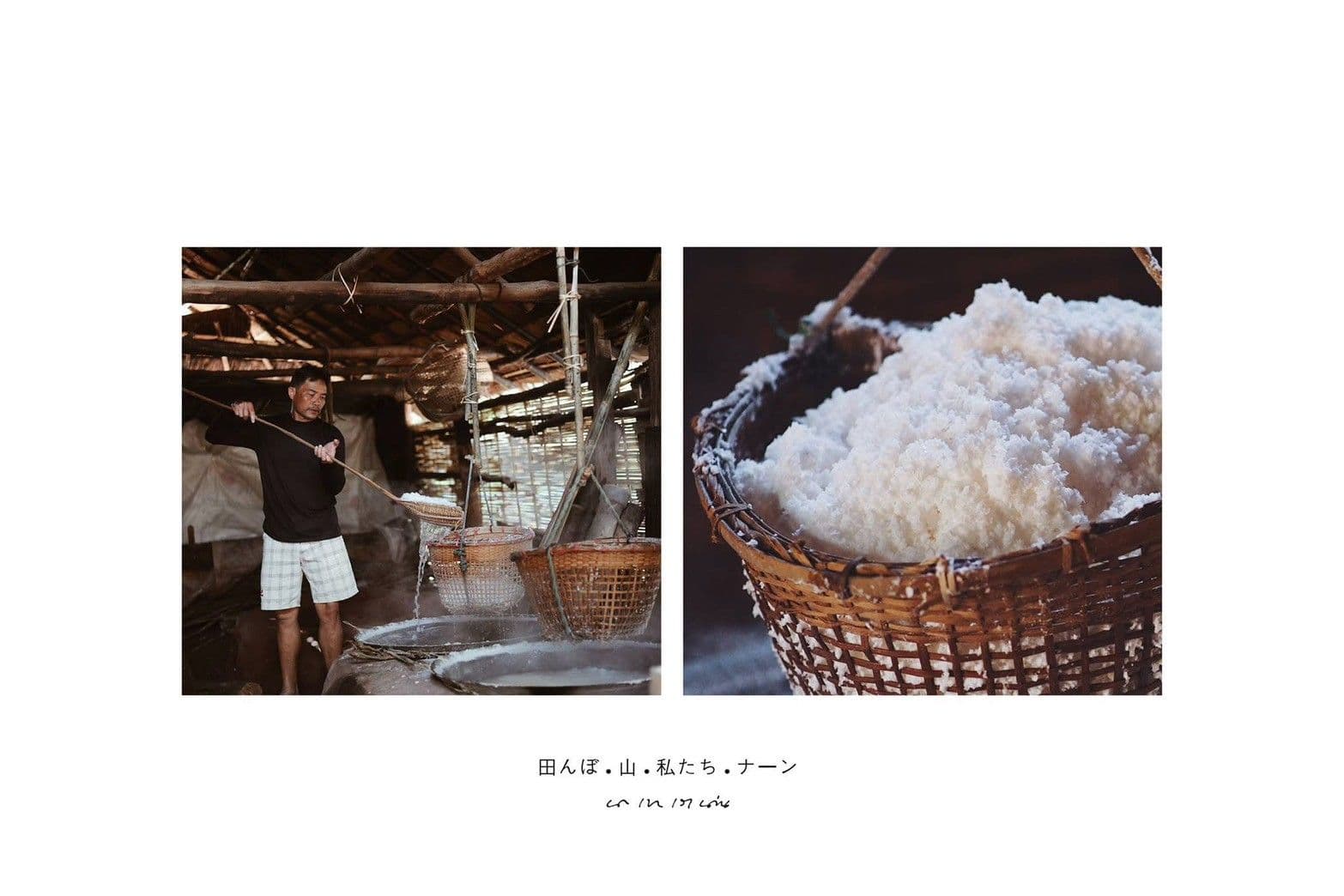
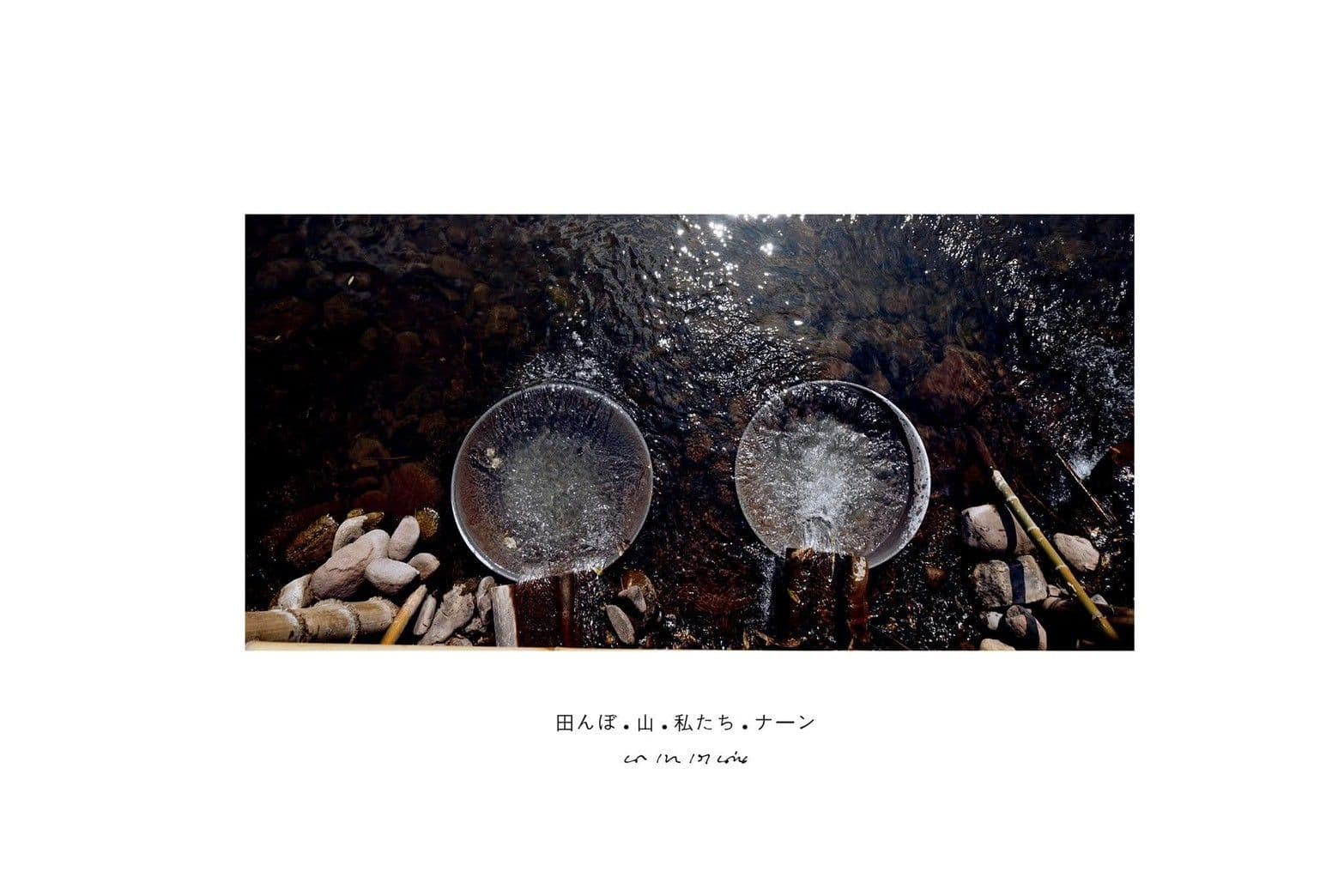
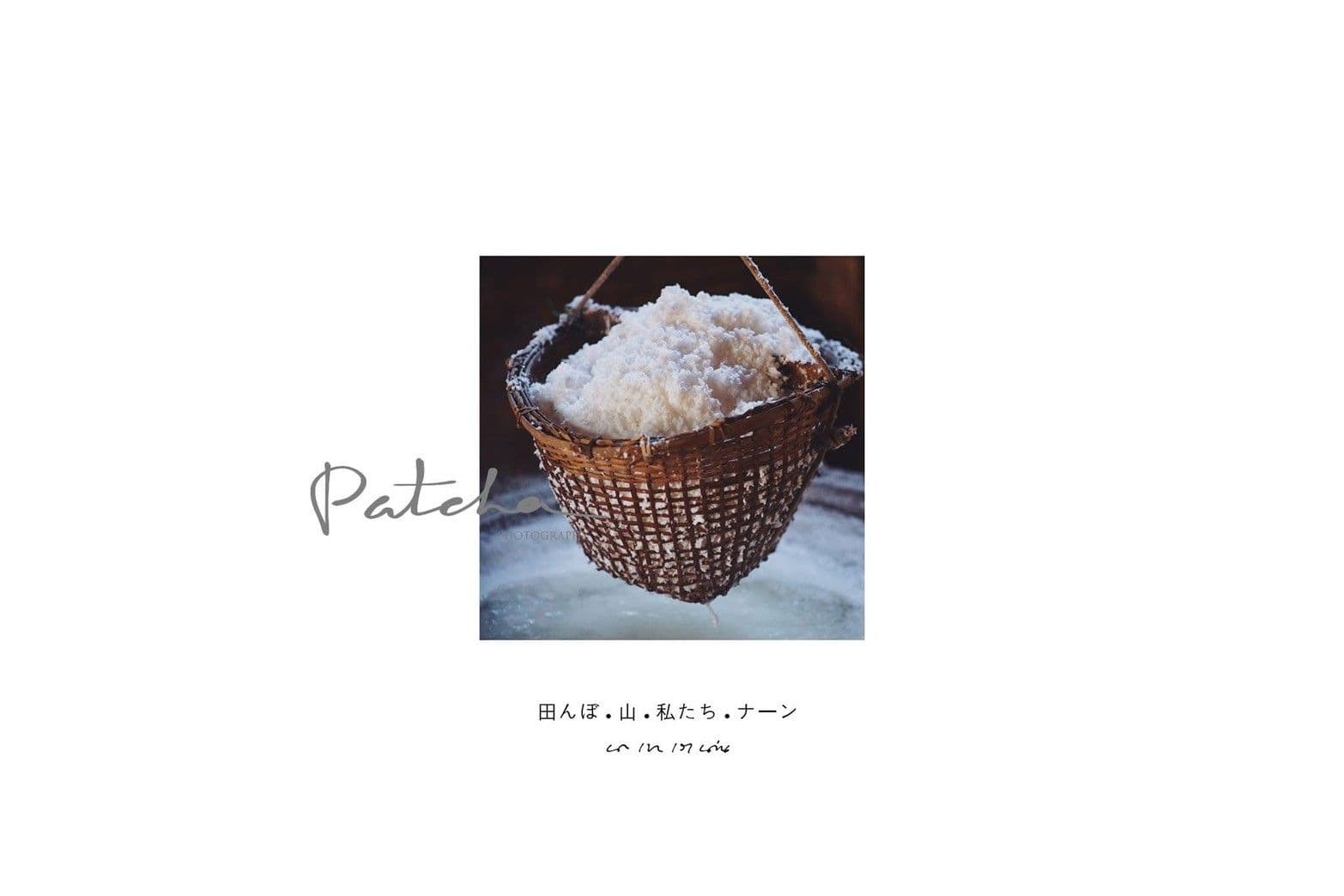
The salt-making process remains unchanged for centuries. Villagers draw brine water from deep wells using bamboo pipes, then boil it in large iron pans over wood fires for 8-12 hours. As the water evaporates, pure white salt crystals form. The resulting salt has a distinctive mild flavor prized by chefs and is notably high in minerals.
Visiting Bo Kluea
Visitors can observe the entire salt-making process, meet local families, and purchase authentic Bo Kluea salt to take home. The village also offers homestay experiences for those wanting to immerse themselves in Tai Lue culture. The best time to visit is during the dry season (November to April) when salt production is most active.
Photo Gallery